Metal Import & Export in India – A Strategic Trade Guide for Global Buyers (2026)🌍
Metal import & export in India has become a critical pillar of global supply chains in 2026. International manufacturers, infrastructure developers, and industrial buyers are facing rising commodity volatility, geopolitical disruptions, compliance regulations, and sustainability pressures. As global trade realigns, India is emerging as a reliable and scalable partner in the international metals ecosystem.
For importers, distributors, and procurement heads, understanding how metal import & export in India operates—from sourcing and compliance to logistics and quality control—is no longer optional. It is a strategic necessity. This guide provides a comprehensive, compliance-focused, and trade-driven overview tailored specifically for B2B decision-makers.
What Is Metal Import & Export in India? 🔩
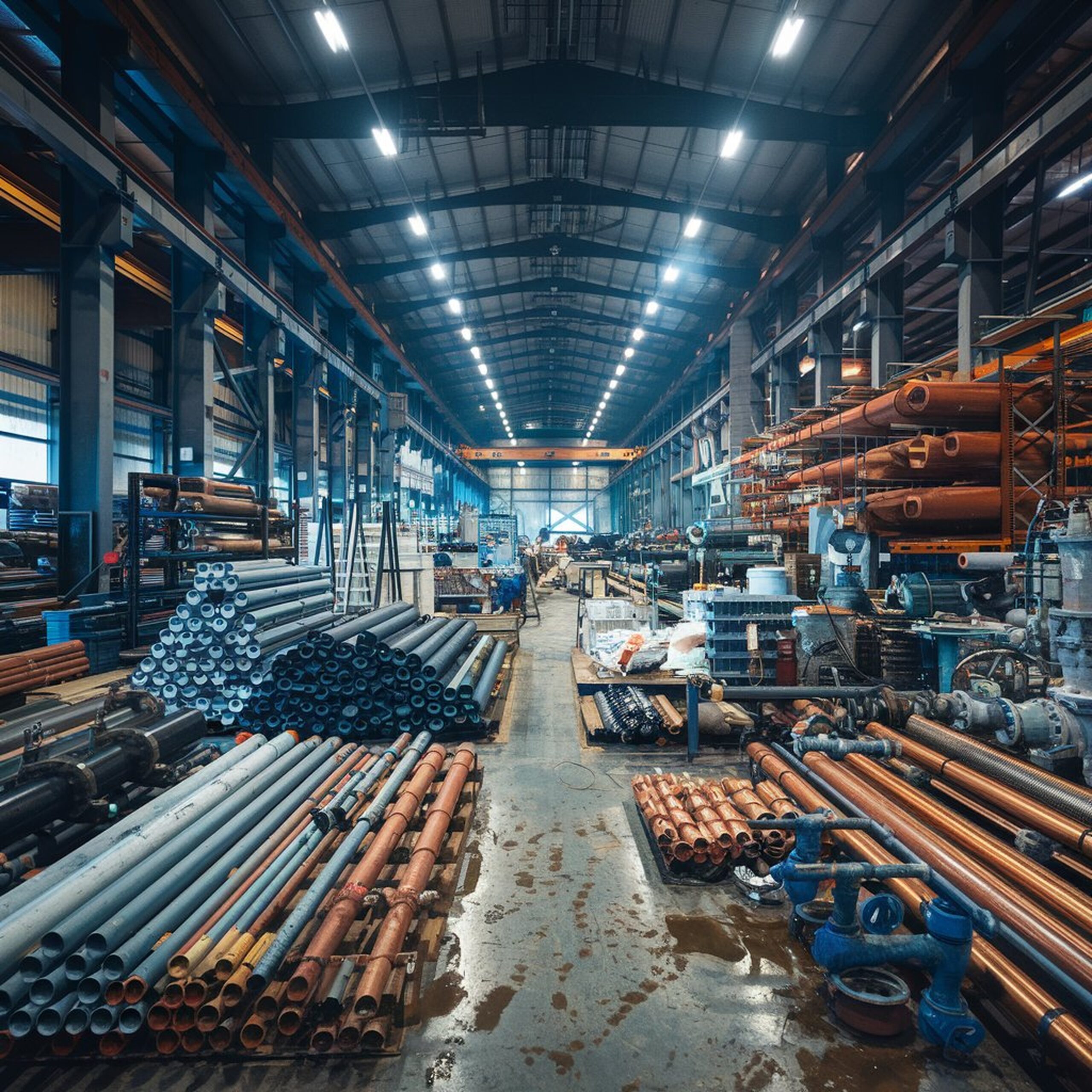
Metal import & export in India refers to the cross-border trade of ferrous and non-ferrous metals, including:
Steel products
Aluminum
Copper
Brass
Zinc
Industrial scrap materials
Alloyed metals
Semi-finished and finished metal goods
India operates as both:
A major metal importer (raw materials, specialty alloys)
A significant metal exporter (steel products, aluminum goods, processed metals)
The country’s position in global trade is supported by:
Strong port infrastructure (Mumbai, Mundra, Chennai, Kolkata)
Established customs frameworks
Expanding manufacturing base
Competitive labor costs
Government trade policies
Metal trade in India is deeply integrated with construction, automotive, FMCG manufacturing, textile machinery, and heavy engineering sectors.
2026 Trends Shaping Metal Import & Export in India 📈
1️⃣ Supply Chain Diversification
Post-pandemic global restructuring has encouraged businesses to diversify sourcing beyond single-country dependency. India has gained trust due to:
Stable trade policies
Transparent customs procedures
Growing industrial base
2️⃣ Increased Demand for Scrap Metal Recycling ♻️
Sustainable metal sourcing is a major priority. India’s scrap processing sector has expanded to meet:
Environmental compliance standards
Circular economy demands
Reduced carbon footprint goals
3️⃣ Regulatory Tightening & Compliance Enforcement
Buyers now prioritize:
BIS certification
Import Export Code (IEC)
Quality inspections
Pre-shipment verification
4️⃣ Infrastructure Growth Driving Metal Demand
India’s infrastructure development has accelerated steel and aluminum trade flows. Export capabilities have strengthened due to:
Modernized processing units
Improved logistics connectivity
Key Processes in Metal Import & Export in India ⚙️
Understanding the process ensures reduced trade risk.
Step 1 – Sourcing & Supplier Verification
Background checks
Production capacity audits
Material grade certification
Compliance verification
Step 2 – Quality Inspection
Third-party inspection agencies
Chemical composition testing
Mechanical property verification
ISO compliance checks
Step 3 – Documentation & Regulatory Clearance
Required documents typically include:
Bill of Lading
Commercial Invoice
Packing List
Certificate of Origin
IEC documentation
Customs clearance approvals
Step 4 – Logistics & Freight Management
Container booking
Marine insurance
Port handling coordination
Freight forwarding
Step 5 – Delivery & Post-Shipment Support
Customs coordination at the destination
Claims management
Ongoing supplier relationship management
A structured process reduces delays and mitigates financial risk.
Compliance, Quality & Sustainability in Metal Trade 🌱
Metal import & export in India must comply with strict regulatory frameworks:
✔ Bureau of Indian Standards (BIS)
Ensures product safety and quality conformity.
✔ Environmental Regulations
Waste handling and emissions must align with environmental norms.
✔ International Trade Compliance
Exporters must meet destination country standards (EU, USA, Middle East).
✔ Ethical Sourcing Practices
Traceability and transparency are increasingly important.
Global buyers increasingly demand:
Carbon-conscious supply chains
Sustainable scrap processing
Transparent trade documentation
India’s metal industry has responded with improved traceability systems and quality frameworks.
Benefits of Choosing Metal Import & Export in India 💼
✅ Competitive Pricing
Cost-effective labor and processing infrastructure.
✅ Strong Export Infrastructure
Well-connected sea ports and inland logistics networks.
✅ Diverse Metal Availability
From raw scrap to finished metal products.
✅ Skilled Technical Workforce
Engineering expertise supports precision manufacturing.
✅ Global Market Access
Indian exporters serve Asia, Europe, Africa, and North America.
How to Choose the Right Metal Trade Partner in India 🔍
Selecting the right partner is essential for long-term trade success.
Evaluate:
Trade experience
Documentation accuracy
Inspection transparency
Supply consistency
Financial reliability
Regulatory compliance
A strong partner minimizes shipment risk and improves delivery timelines.
Why MSARK International Is Positioned Strongly in Metal Import & Export in India 🌎
At MSARK International, metal import & export in India is approached with a compliance-first, quality-driven, and globally aligned strategy.
🔹 Verified Sourcing Network
We collaborate with trusted suppliers and verified processing units.
🔹 Documentation Accuracy
Complete export documentation ensures smooth customs clearance.
🔹 Quality Inspection Standards
Pre-shipment inspections and grade verification.
🔹 International Trade Expertise
Deep understanding of global trade requirements.
🔹 Long-Term Partnership Model
We prioritize transparency and sustainable business relationships.
👉 For detailed capabilities, explore our Metal Import & Export service page.
👉 Businesses operating in apparel may also benefit from our Clothing Manufacturing solutions.
👉 FMCG-related industries can review our FMCG Product Manufacturing services.
(Use natural anchor text like “Metal Import & Export services” instead of keyword stuffing.)
(FAQ)❓
Q1: Is metal import & export in India regulated?
Yes, it is regulated by customs authorities, BIS standards, and environmental policies.
Q2: What metals are commonly traded through metal import & export in India?
Steel, aluminum, copper, brass, scrap metal, and industrial alloys.
Q3: How can international buyers verify metal suppliers in India?
Through third-party audits, certification checks, and inspection reports.
Q4: Is India a reliable exporter of metal products?
Yes. India has a growing export infrastructure and improved compliance systems.
Q5: What documents are required for metal import & export in India?
Bill of Lading, Commercial Invoice, IEC registration, Certificate of Origin, and customs clearance documents.
Q6: How long does metal export from India take?
Shipping timelines vary by destination but typically range between 15 to 45 days.
Conclusion 🚀
Metal import & export in India has evolved into a structured, compliance-driven, and globally competitive trade ecosystem. As international buyers seek transparency, sustainability, and scalability, India’s role in the global metals supply chain continues to strengthen.
The key to success lies in choosing a partner that understands both manufacturing realities and international trade compliance.
📞 Ready to Trade with Confidence?
If you are sourcing through metal import & export in India, partner with MSARK International for transparent documentation, verified sourcing, and reliable international logistics.
🌍 Let’s build a secure and scalable metal trade partnership.
Contact us today to discuss your requirements and global sourcing strategy.
 Call Us
 Email-
 Location