
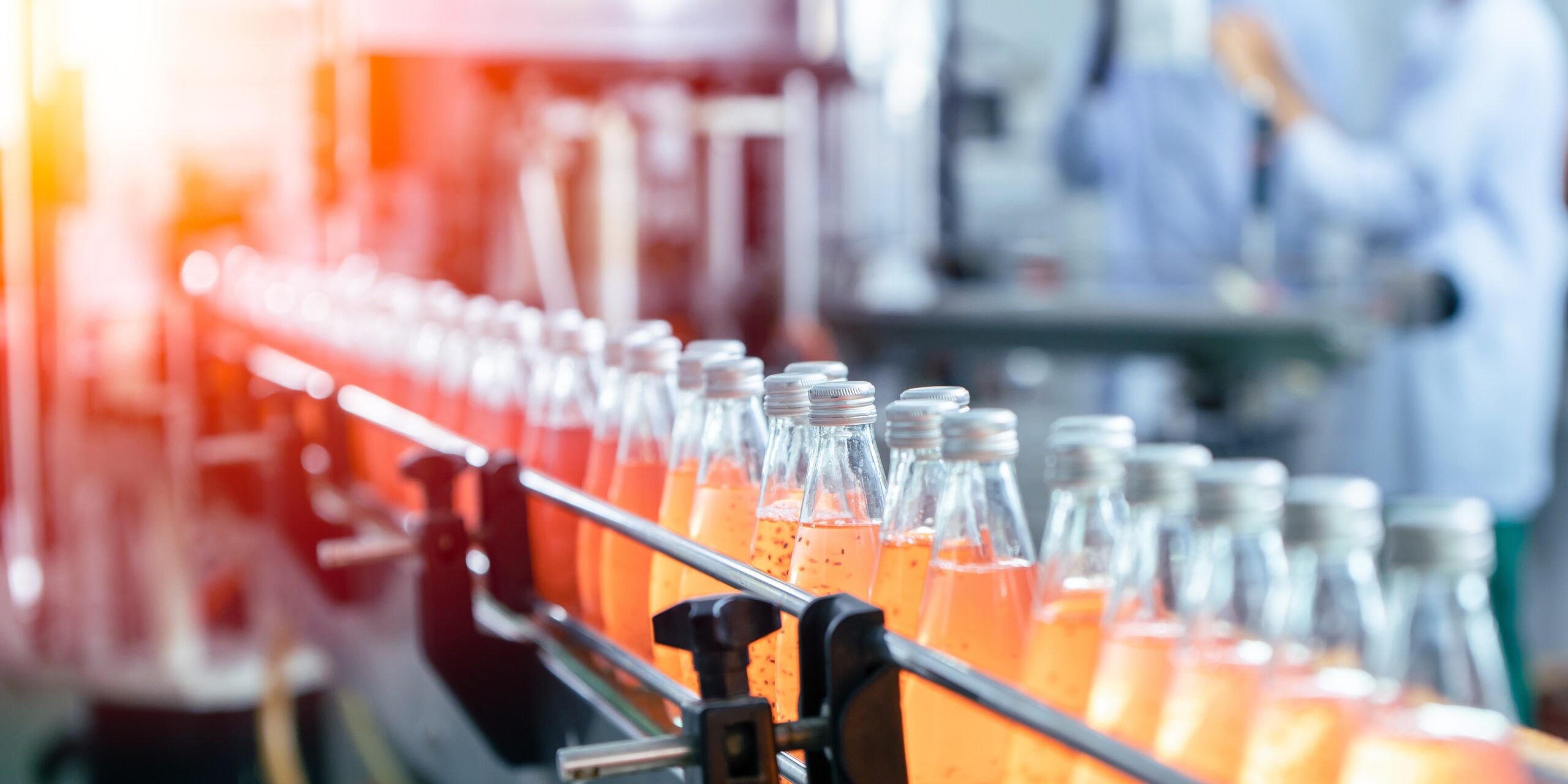
Beverages Manufacturing Companies: A Strategic Guide for Global Brands in 2026 🥤🌍
In 2026, beverages manufacturing companies are no longer just production facilities—they are strategic partners for global brands navigating compliance, scalability, private labeling, and international trade complexity. With rising consumer demand for functional drinks, health beverages, sustainable packaging, and regulatory compliance, selecting the right beverage manufacturer has become a mission-critical decision.
International buyers, importers, and private label brands are asking deeper questions:
Can the manufacturer scale rapidly?
Do they meet global food safety standards?
Are they compliant with export regulations?
Can they support formulation and branding?
This guide explains how beverages manufacturing companies operate in 2026 and how businesses can leverage the right partner for long-term growth.
Understanding Beverages Manufacturing Companies in 2026 🏭
Beverages manufacturing companies are specialized production facilities that develop, formulate, process, package, and distribute drinks for domestic and international markets.
They typically produce:
Carbonated beverages
Energy drinks
Functional health drinks
Juice concentrates
Dairy-based drinks
Plant-based beverages
Bottled water
Private label beverage products
Modern beverage production is a combination of:
Advanced automation
Strict food safety compliance
Supply chain integration
Sustainable packaging innovation
The best manufacturers operate as full-service partners—from R&D formulation to final export logistics.
Why Global Demand for Beverages Manufacturing Companies Is Rising 📈
🔹 1. Private Label Growth
Retail chains and eCommerce brands increasingly launch their own beverage lines.
🔹 2. Health & Functional Beverage Boom
Consumers demand:
Low sugar drinks
Electrolyte beverages
Vitamin-infused formulations
Organic and clean-label drinks
🔹 3. Export Expansion
Brands want manufacturing hubs that understand international regulatory compliance and export documentation.
🔹 4. Sustainable Packaging
Recyclable bottles, aluminum cans, biodegradable packaging are now competitive differentiators.
How Beverages Manufacturing Companies Operate ⚙️
Step 1: Product Development & Formulation 🧪
Recipe development
Flavor balancing
Shelf-life testing
Nutritional profiling
Step 2: Raw Material Procurement 🌾
Approved ingredient suppliers
Quality verification
Traceability documentation
Step 3: Processing & Mixing
Automated blending systems
Temperature-controlled environments
Sterilization processes
Step 4: Bottling & Packaging 🏷️
PET bottling lines
Canning systems
Label printing
Private label customization
Step 5: Quality Control & Compliance ✔️
Microbiological testing
Stability testing
Packaging integrity testing
Step 6: Distribution & Export 🚢
International shipping
Documentation management
Customs clearance
This structured process ensures product consistency, safety, and compliance.
Compliance & Standards in Beverages Manufacturing Companies 🔍
In 2026, compliance is non-negotiable.
Global buyers expect:
ISO 22000 certification
HACCP compliance
FSSAI approval (India)
FDA registration (for U.S. exports)
GMP certification
Halal / Kosher certifications where required
Failure to meet these standards can block market entry.
Professional beverages manufacturing companies maintain:
Batch traceability systems
Audit-ready documentation
Ingredient transparency
Contamination control protocols
Key Trends Shaping Beverages Manufacturing Companies in 2026 🚀
🌱 Sustainability-Driven Production
Water recycling systems
Energy-efficient machinery
Waste reduction processes
📦 Smart Packaging
QR-coded labels
Tamper-proof sealing
Lightweight eco packaging
🤖 Automation & AI Integration
Smart production lines
Predictive maintenance systems
Digital quality monitoring
🌍 Regional Manufacturing for Global Reach
Many global brands are shifting production to countries with strong export infrastructure and competitive production costs.
How Businesses Benefit from Partnering with Strong Beverages Manufacturing Companies 💼
✅ Scalability
Capacity to handle small batches and large export volumes.
✅ Cost Efficiency
Optimized supply chain and bulk ingredient sourcing.
✅ Private Label Customization
Brand-specific formulation, packaging, labeling.
✅ Market Expansion
Export-ready systems for global distribution.
✅ Reduced Operational Risk
Compliance-driven production reduces regulatory risk.
How to Choose the Right Beverages Manufacturing Partner 🧐
When evaluating beverages manufacturing companies, consider:
✔ Production Capacity
Can they scale as demand grows?
✔ Compliance Certifications
Are food safety audits current?
✔ Ingredient Sourcing
Is traceability available?
✔ Quality Assurance System
Do they follow multi-stage inspections?
✔ Export Experience
Do they understand international shipping regulations?
✔ Transparency
Can they provide detailed documentation?
Choosing a partner is about long-term stability—not just pricing.
Why MSARK International Is Positioned Strongly in Beverage Manufacturing 🌍
At MSARK International, beverages manufacturing is approached with:
🔹 Structured Production Oversight
Partnering with compliant manufacturing units.
🔹 Quality-Focused Systems
Multi-layered quality checks at each stage.
🔹 Regulatory Alignment
Supporting documentation and export readiness.
🔹 Scalable Solutions
Supporting both emerging beverage brands and established distributors.
🔹 Global Trade Expertise
Experience in handling international trade logistics.
For businesses seeking reliable beverages manufacturing companies, strategic collaboration ensures smooth production and global distribution.
Frequently Asked Questions ❓
Q1: What do beverages manufacturing companies do?
They develop, process, package, and distribute beverage products for domestic and international markets.
Q2: Are beverages manufacturing companies compliant with global standards?
Reputable manufacturers follow ISO, HACCP, and FDA guidelines to ensure safety and regulatory compliance.
Q3: Can beverages manufacturing companies handle private label production?
Yes, many offer custom formulations, branding, and packaging services.
Q4: How long does beverage production take?
Timelines depend on volume, formulation complexity, and packaging type.
Q5: What certifications should I verify before choosing a beverage manufacturer?
ISO 22000, HACCP, GMP, FSSAI, and relevant export certifications.
Q6: Why are global brands outsourcing beverage manufacturing?
To reduce capital investment, improve scalability, and leverage specialized expertise.
Conclusion🤝
In 2026, beverages manufacturing companies are strategic growth enablers for brands seeking quality, compliance, and scalability. Choosing the right manufacturing partner impacts product consistency, market entry speed, and long-term brand reputation.
If you are an importer, distributor, or private label brand exploring beverage production, partnering with a structured, compliance-driven organization is critical.
📞 Ready to Scale Your Beverage Brand?
Connect with MSARK International to explore reliable beverage manufacturing solutions backed by quality control, compliance expertise, and global trade capability.
👉 Contact us today to discuss your production requirements and build a long-term international partnership. 🌍🚀

 Call Us
 Email-
 Location