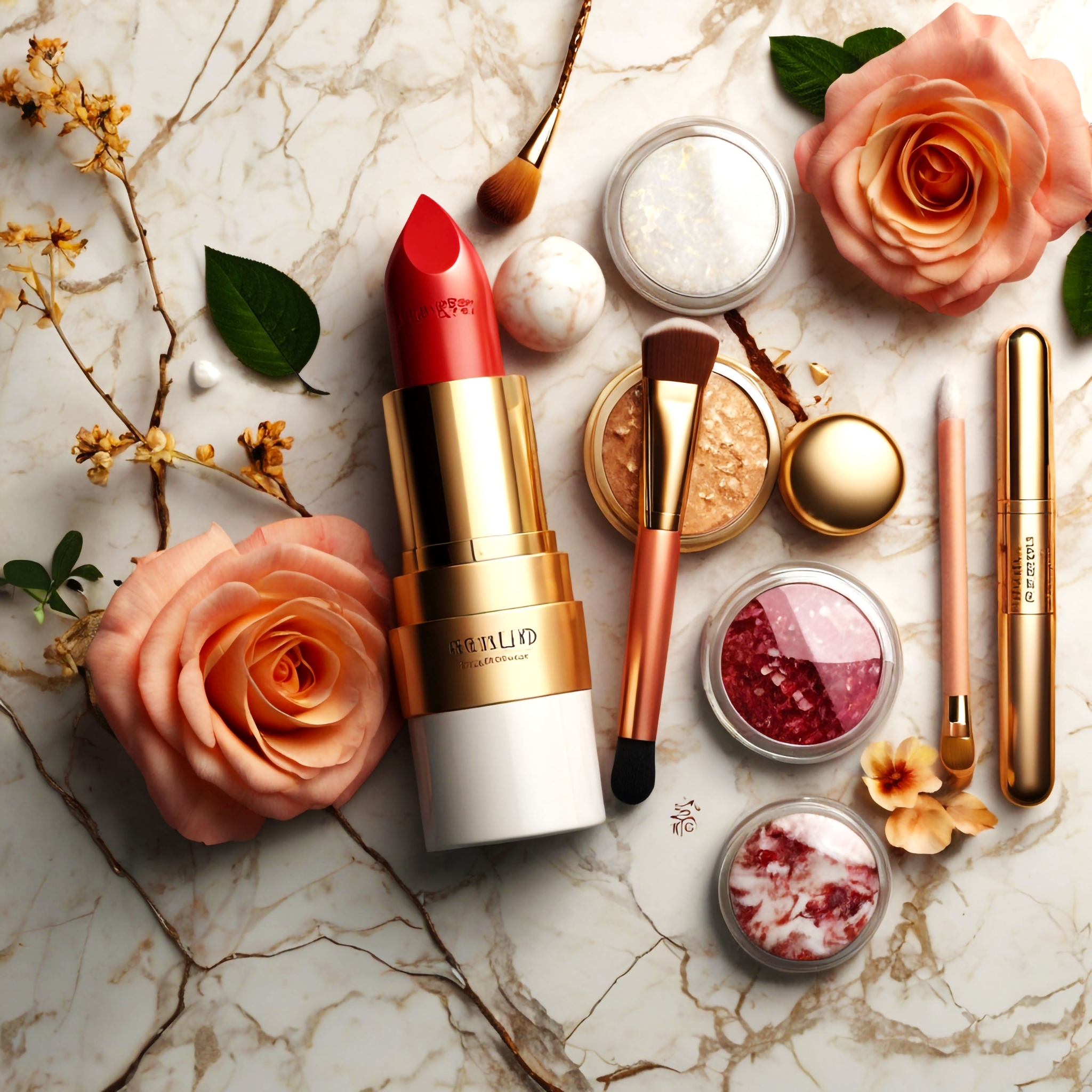
Premium Cosmetic Products for Global Brands 🌍
In today’s competitive beauty industry, sourcing premium cosmetic products is no longer just about attractive packaging or trending ingredients. International buyers, private label brands, and distributors are facing increasing pressure to ensure product safety, regulatory compliance, sustainable sourcing, and consistent manufacturing quality. 🌿
With stricter global regulations and more informed consumers, brands must partner with reliable manufacturers who understand formulation science, compliance standards, and international trade logistics. This is where professionally developed premium cosmetic solutions make the difference between short-term sales and long-term brand credibility.
This guide explores how premium cosmetic products are manufactured, what global buyers should evaluate, and how strategic manufacturing partnerships drive sustainable brand growth. 💄✨
Understanding Premium Cosmetic Products in 2026
Premium cosmetic products refer to high-quality beauty and personal care formulations developed using advanced ingredients, strict quality control systems, and internationally compliant manufacturing processes.
They typically include:
Skincare (creams, serums, lotions)
Haircare solutions
Personal hygiene products
Organic and natural cosmetics
Private label beauty products
In 2026, premium positioning is defined by:
Ingredient transparency
Dermatological safety testing
Ethical sourcing
Sustainable packaging
Global regulatory compliance
Buyers now evaluate suppliers not only on pricing but also on formulation capability, ingredient traceability, and export readiness. 📦
Premium Cosmetic Products and Global Market Trends 📈
1️⃣ Clean Beauty & Transparency
Consumers demand:
Paraben-free formulas
Sulfate-free options
Cruelty-free certifications
Vegan labeling
Manufacturers must provide documented compliance to maintain brand credibility.
2️⃣ Sustainable Production
Global brands increasingly require:
Eco-friendly packaging
Reduced carbon footprint
Responsible ingredient sourcing
3️⃣ Private Label Growth
Private label cosmetic manufacturing is expanding rapidly across Europe, the Middle East, and North America.
Brands prefer partners who can:
Handle low to medium MOQs
Offer branding support
Provide formulation customization
4️⃣ Regulatory Tightening
Export markets require adherence to:
EU Cosmetic Regulation
FDA standards
GCC compliance
ASEAN cosmetic directives
Manufacturers must stay updated with evolving global standards.
The Manufacturing Process Behind Premium Cosmetic Products 🏭
Understanding the production cycle ensures better supplier selection.
🔹 Step 1: Product Formulation & R&D
Ingredient selection
Stability testing
Safety assessments
Sample development
🔹 Step 2: Raw Material Procurement
Premium suppliers source:
Certified raw materials
Dermatologically tested ingredients
Globally approved chemical compositions
🔹 Step 3: Batch Production
Automated mixing systems
Hygienic processing
Controlled environments
🔹 Step 4: Quality Control
Microbiological testing
Stability validation
Packaging integrity checks
🔹 Step 5: Filling & Packaging
Automated filling lines
Label compliance verification
Barcode & batch coding
🔹 Step 6: Export & Documentation
Regulatory documentation
MSDS sheets
Ingredient declarations
Professional cosmetic manufacturing combines science, compliance, and operational precision. 🔬
Compliance & Quality Standards for Premium Cosmetic Products 🛡️
International buyers must evaluate:
ISO-certified facilities
GMP (Good Manufacturing Practices)
Dermatological testing reports
Ingredient traceability
Safety data sheets
Global cosmetic trade requires proper:
INCI labeling
Shelf-life documentation
Batch traceability
Export documentation
Compliance failures can damage brand reputation and restrict market access. Therefore, selecting a compliance-focused partner is critical.
Business Advantages of Sourcing Premium Cosmetic Products 💼
✅ Brand Positioning
Premium formulations enhance perceived value.
✅ Higher Margins
Quality-driven products support premium pricing strategies.
✅ Customer Retention
Safe, effective products build trust.
✅ Regulatory Confidence
Compliance reduces risk during international expansion.
✅ Scalability
Reliable manufacturers support growth into new markets.
How to Choose a Reliable Premium Cosmetic Products Manufacturer 🔍
When evaluating a supplier, consider:
✔ R&D Capability
Can they develop custom formulations?
✔ Compliance Knowledge
Are they aware of target market regulations?
✔ Manufacturing Infrastructure
Do they operate under GMP-certified systems?
✔ Export Experience
Can they handle international documentation?
✔ Ingredient Transparency
Do they disclose sourcing information?
Partnering with an experienced manufacturer reduces risk and enhances long-term growth.
Why MSARK International Stands Out 🌟
At MSARK International, premium cosmetic products are developed with a focus on:
Strict quality control protocols
Global compliance awareness
Responsible sourcing
Scalable production capacity
Professional export handling
Our integrated manufacturing and trade approach ensures international buyers receive:
Reliable batch consistency
Documentation support
On-time delivery
Transparent communication
We align formulation excellence with global market readiness, helping brands scale confidently. 🌍
Frequently Asked Questions ❓
Q1. What makes premium cosmetic products different from regular cosmetics?
Premium cosmetic products use higher-grade ingredients, stricter quality control, and global compliance standards.
Q2. Are premium cosmetic products suitable for private label brands?
Yes. Many manufacturers offer customized premium cosmetic products for private label businesses.
Q3. What certifications are required for exporting premium cosmetic products?
Common requirements include GMP, ISO certifications, and market-specific compliance documentation.
Q4. How long does it take to manufacture premium cosmetic products?
Production timelines depend on formulation complexity, typically ranging from 30–60 days.
Q5. Can premium cosmetic products meet EU and US standards?
Yes, when manufactured under globally compliant facilities and tested per international regulations.
Q6. Why is compliance critical in premium cosmetic products manufacturing?
Non-compliance can lead to shipment rejection, legal penalties, and brand reputation damage.
Conclusion 🚀
In 2026, the global beauty market demands more than aesthetics. It requires safe formulations, regulatory transparency, sustainable sourcing, and operational reliability.
Premium cosmetic products manufactured under structured compliance systems empower brands to expand internationally with confidence.
If you are an international buyer, distributor, or private label brand seeking reliable cosmetic manufacturing solutions, MSARK International offers scalable, compliant, and globally aligned production capabilities.
📞 Ready to Scale Your Beauty Brand?
Partner with MSARK International to source professionally developed premium cosmetic products designed for global markets.
👉 Contact us today to discuss your manufacturing and export requirements. 🌍
 Call Us
 Email-
 Location